
The purpose of your CAMHS assessment is to help us understand what kind of support might help you to feel better.
Making your assessment feel easier and more comfortable for you
You or your parents or carers can tell your clinician (the mental health professional helping you) if you need anything to make your assessment easier. We can make changes so you feel more comfortable and can take part in your session. Below are some examples of adjustments you could ask for:
-
Movement breaks during the session
-
Using fidget toys and turning off bright lights
-
Using visuals or writing down your thoughts
Financial help to attend your appointments
Financial help is available to support people to attend NHS appointments. Find out more about the Healthcare Travel Costs Scheme.
What will happen at your assessment?
The assessment will take place with a clinician. A clinician is a mental health professional who will work with you. The clinician you see at your assessment will usually be different to the clinician you see for treatment.
The assessment is usually a face-to-face appointment in one of our CAMHS offices. The clinician will have already read the information provided in your referral form but may need to ask you some more questions, such as:
-
Who you are and what’s important to you
-
Why you’re here and what you’d like help with
-
What support or strategies you’ve tried before
-
Your family, friends and school
-
Current difficulties or concerns (like sleep, anxiety, or low mood)
-
How safe you feel and if you need more support to keep safe
-
Your goals and what you’d like to change.
Your clinician will talk to you about confidentiality. This means what information about you is kept private, and what might need to be shared, and who it could be shared with. They will ask you for permission before they share your information whenever they can. They will also ask for your permission before starting any treatment they think will help you. Read our data protection and confidentiality policy.
Together, you and your clinician will talk about what you would like to be different and what goals you want to work towards. If you both decide that CAMHS is the right place to help, your clinician will suggest a plan for what kind of support or treatment might be most helpful for you. If CAMHS isn’t the best place, we’ll help you find another service that is better suited to support you.
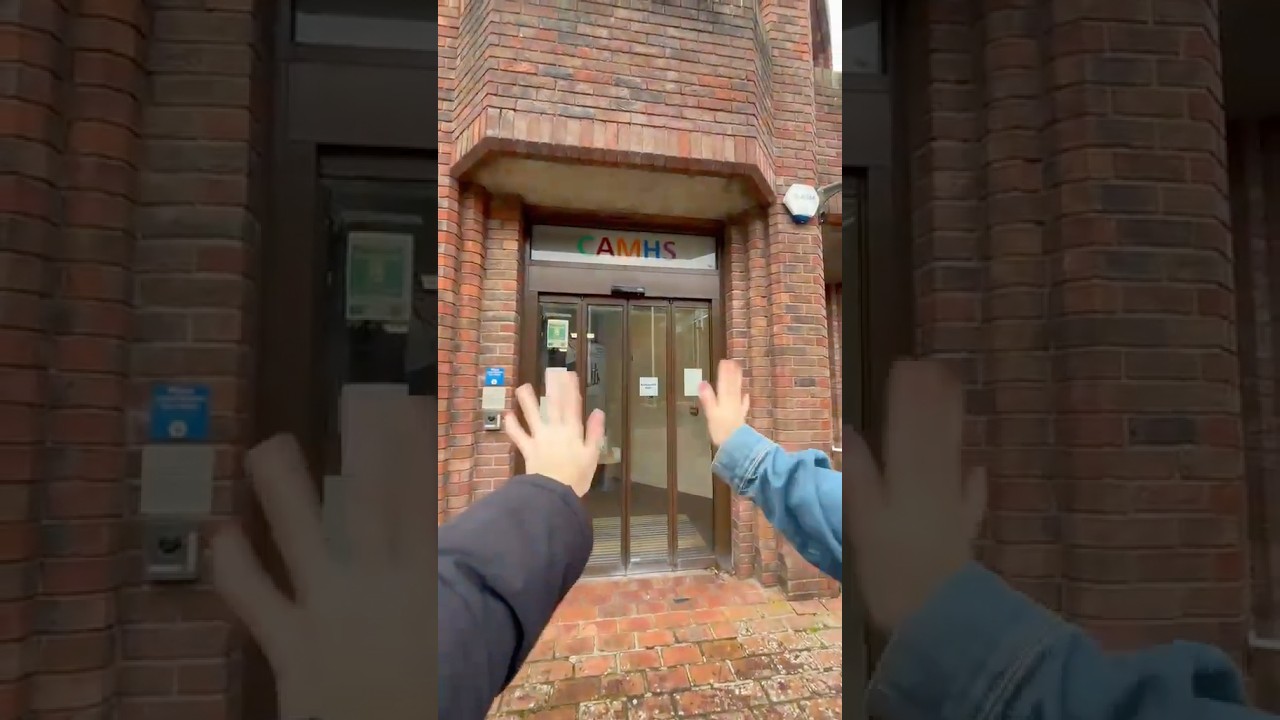
Watch this video made by a young person about what to expect at your first appointment. You may be in a different building or room to the ones featured in the video, but it should give you a good idea of what to expect.
What happens after your CAMHS assessment?
After your assessment, you will be sent a letter explaining what you and your clinician talked about and how CAMHS may be able to help. This will also be sent to your GP and the person who referred you to CAMHS.
The time you wait for support can be different depending on the type of treatment and how many other young people are also waiting for help.
Take a look at our range of resources designed to support young people with their mental health.